Friday, April 19, 2019

Final Submission
Revisions for final post:
1. We added the end scene where the hacker receives a text message that write "are you ready for your next mission." This originally was a revision to fix the confusing last scene but it is also a re-shoot of our first attempt. The final scene is more clear and intense as you cannot see the persons face.
2. We changed our font type to "Stencil" which is a a bold and sophisticated font. We felt that this font better represented the overall mood of the opening.3. Instead of having the title on a black screen we overlapped the title on the feet in the beginning scene. This better follows social conventions and gives an authentic feel to our movie.
Friday, April 5, 2019
CCR draft 4
How did you integrate technologies- software, hardware and online-in this project?
To present our research and planning for our film, we utilized Google Blogger. This tool was incredibly helpful in showing all of our research and planning for our film. Each step of the process was documented on Blogger so we were able to show our work and dedication.
To film we used a Cannon EOS rebel T6 camera. This was a simple camera that was easy to use, yet still had the high quality we wanted in our film. My partner and I both took turns using the camera for test shots, and then she was the main director.
The editing process for our film was quite difficult and we learned many things. As the editor I researched several different programs and found Movavi video editor. This was easy to use and made the process much shorter. However, the program was only a free trial so our film had a watermark. I then redid our entire movie on Imovie, which proved slightly more difficult, but still worked. Unfortunately our film was then deleted. My partner and I discussed this issue and decided to buy the full version of Movavi in order to create the best product.
With Movavi we were able to edit the movie to our specifications. To understand the program I watched several tutorials and asked assistance from our teacher. This included adding in suspenseful music, gun sound effects, and any other issues. One issue that arrived was that the background beeping was cut out in several scenes, so I was able to sample parts from the beginning and add it where the beeping was gone.
To present our research and planning for our film, we utilized Google Blogger. This tool was incredibly helpful in showing all of our research and planning for our film. Each step of the process was documented on Blogger so we were able to show our work and dedication.
To film we used a Cannon EOS rebel T6 camera. This was a simple camera that was easy to use, yet still had the high quality we wanted in our film. My partner and I both took turns using the camera for test shots, and then she was the main director.
The editing process for our film was quite difficult and we learned many things. As the editor I researched several different programs and found Movavi video editor. This was easy to use and made the process much shorter. However, the program was only a free trial so our film had a watermark. I then redid our entire movie on Imovie, which proved slightly more difficult, but still worked. Unfortunately our film was then deleted. My partner and I discussed this issue and decided to buy the full version of Movavi in order to create the best product.
With Movavi we were able to edit the movie to our specifications. To understand the program I watched several tutorials and asked assistance from our teacher. This included adding in suspenseful music, gun sound effects, and any other issues. One issue that arrived was that the background beeping was cut out in several scenes, so I was able to sample parts from the beginning and add it where the beeping was gone.
Thursday, April 4, 2019
CCR Draft 3
My and my partner's production skills developed through out this project in a variety of ways. The first production skill that improved was screen writing. After writing our initial script and sharing it with peers for constructive criticism we had to change the end portion of our script. Our peers were not able to decipher what happened to the boss so we added an extra scene. This vastly improved our film and lent itself handy during later aspects of production, such as filming.
 By measuring the reaction of our peers from reading our script my partner and I were able to decide on which shots should have emphasis in our film. Our actual physical filming skills developed based on trail and error. We discovered which shots looked good and which were too ambitious. We discussed doing an Ariel shot for the opening running sequence but decide against it as the only high point above where we were filming was at an odd angle. We stuck with the mid shot pictured here as it looked the most pleasing.
 A production skill that we also developed was dealing with our actors and actresses. During the filming process, a few of our actors were unable to correctly perform a few scenes. We had to developed the skill of looking out for the feelings of our actors under a deadline. We filmed our movie under a tight schedule but we quickly learned that pressuring the actors by telling them the time limit did not help them improve. After developing this knowledge we were able to fix scenes much faster.
Lastly our production skill of editing developed through out this process. After experimenting it became clear that editing for continuity and a professional look is very difficult. Our skills for editing developed as we experimented with different software. Ultimately we were able to edit our movie in the most desirable way. While also gaining insightful editing tips and tricks for future projects. To conclude, our production skills greatly improved through the writing, filming, directing, and editing processes.
By measuring the reaction of our peers from reading our script my partner and I were able to decide on which shots should have emphasis in our film. Our actual physical filming skills developed based on trail and error. We discovered which shots looked good and which were too ambitious. We discussed doing an Ariel shot for the opening running sequence but decide against it as the only high point above where we were filming was at an odd angle. We stuck with the mid shot pictured here as it looked the most pleasing. A production skill that we also developed was dealing with our actors and actresses. During the filming process, a few of our actors were unable to correctly perform a few scenes. We had to developed the skill of looking out for the feelings of our actors under a deadline. We filmed our movie under a tight schedule but we quickly learned that pressuring the actors by telling them the time limit did not help them improve. After developing this knowledge we were able to fix scenes much faster.
Lastly our production skill of editing developed through out this process. After experimenting it became clear that editing for continuity and a professional look is very difficult. Our skills for editing developed as we experimented with different software. Ultimately we were able to edit our movie in the most desirable way. While also gaining insightful editing tips and tricks for future projects. To conclude, our production skills greatly improved through the writing, filming, directing, and editing processes.
Friday, March 29, 2019
CCR draft 2
Our product engages with audiences through social media and posters.
We created several social media accounts on Instagram, Facebook, and Snap chat. Our audience will be bombarded with the question, "Who is the Boss?" This will intrigue audiences and get people into the theaters.
Our marketing team will create posters and hang them up on billboards and in subways and in movie theaters. There will be several variations, including pictures on the boss's legs and of action sequences. They will all have the caption "Who is the Boss?" or some variation of "Do you know who the boss is?" We are hoping to create a level of intrigue and create build up so our plot twist can be even more shocking.
To distribute our product as a real media text, I would follow the traditional form of distribution with some changes. Even though the genre of our film makes it likely to succeed at the theater, our target audience is primarily teenagers. Teenagers of this generation enjoy spending much time online streaming and downloading movies. So instead of waiting the full 16-week period my partner and I would release our film after a 10-week period. Then we would proceed with digital download that could include bonuses such as Blu-ray and sneak peaks.
We created several social media accounts on Instagram, Facebook, and Snap chat. Our audience will be bombarded with the question, "Who is the Boss?" This will intrigue audiences and get people into the theaters.
Our marketing team will create posters and hang them up on billboards and in subways and in movie theaters. There will be several variations, including pictures on the boss's legs and of action sequences. They will all have the caption "Who is the Boss?" or some variation of "Do you know who the boss is?" We are hoping to create a level of intrigue and create build up so our plot twist can be even more shocking.
Thursday, March 28, 2019
CCR Draft 1
Conventions:
Our film uses many social conventions.
Our film uses many social conventions.
First of all in for our title we choose a conventional title that lets the audience know what the movie is about but still leaves a sense of wonder.
Most of our camera shots were mid shots so that the audience could see the whole scene. This is a very conventional, but useful shot that we implemented throughout the films.

Our opening shot was Liam running to suspensful music, to set the tone for the whole film. This convention is used constantly in movies, specifically action movies such as The Borne Legacy, and Abduction.

Another common convention we used was a sound motif for our "main" character. The calm beeping noise represents the boss and the hurried beeping noise hints that something has gone wrong, a.k.a. the boss has died. This is used in several films including Star Wars and several marvel superhero movies.
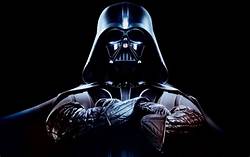
After researching many films, my group decided to use many filming and editing conventions we had seen in other movies in our genre. This includes fade-to-black, the use of a gun shot and ringing, and short takes.
Occasionally our film challenged conventions as well.
Most of our camera shots were mid shots so that the audience could see the whole scene. This is a very conventional, but useful shot that we implemented throughout the films.
Our opening shot was Liam running to suspensful music, to set the tone for the whole film. This convention is used constantly in movies, specifically action movies such as The Borne Legacy, and Abduction.
Another common convention we used was a sound motif for our "main" character. The calm beeping noise represents the boss and the hurried beeping noise hints that something has gone wrong, a.k.a. the boss has died. This is used in several films including Star Wars and several marvel superhero movies.
After researching many films, my group decided to use many filming and editing conventions we had seen in other movies in our genre. This includes fade-to-black, the use of a gun shot and ringing, and short takes.
Occasionally our film challenged conventions as well.
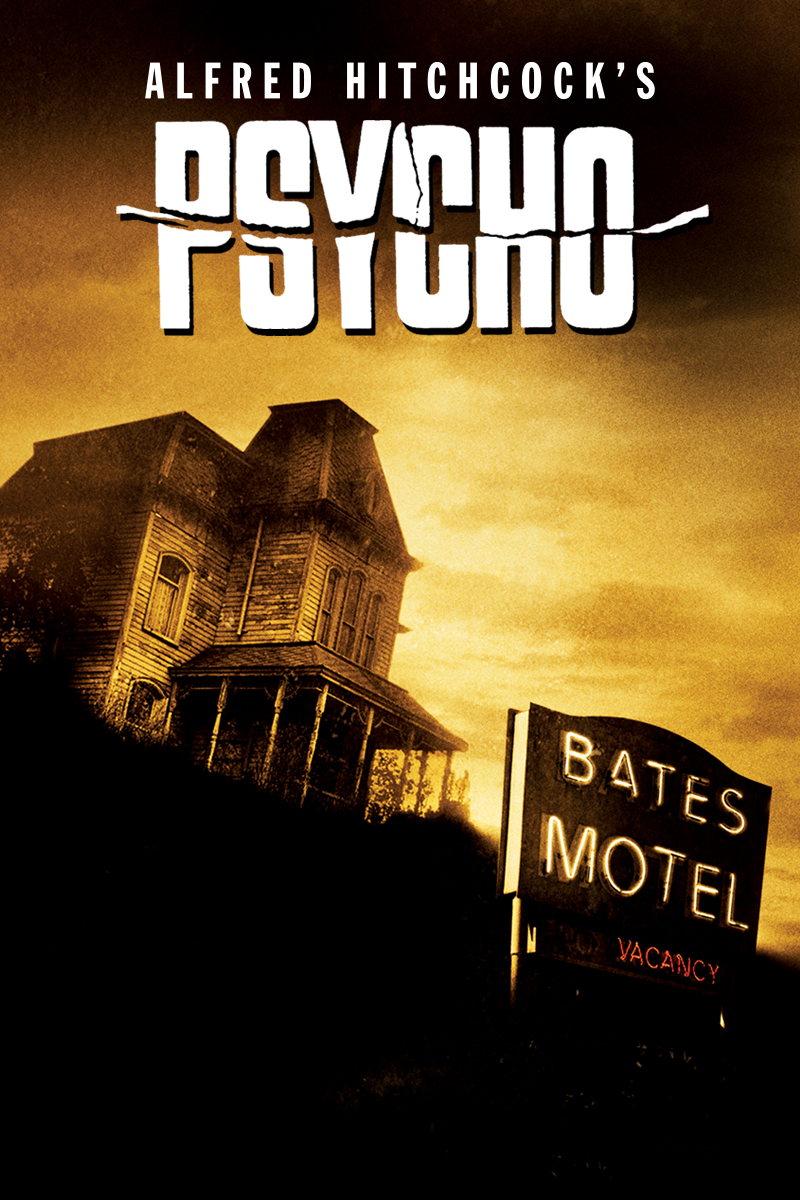
Our main concept of the opening is that you don't know who the boss is, this creates suspense and intrigue. Once the boss is dead the reader questions what is going to happen in the rest of the film.
Movies that use this convention are Alfred Hitchcock's Psycho, David Fincher's Se7en, and Wes Craven's Scream. However, this is not a common strategy.


Another way my film challenged conventions was that the boss's face is never shown. Most of the shots of the boss are low-angle of just the legs. We did this so that the audience was confused on who the boss was, her intentions, and also to make it more intense when she died. This is not a common convention but is done in some successful films such as Kingsmen:The Golden Circle.
Social Groups:
Our film is mostly aimed at ages 16-50 and of all genders. Although it doesn't represent any social issues, our demographic is very wide. "The Boss" is a suspenseful film for anyone who likes action movies and who enjoys intrigue. This covers a very wide range of people. My group chose to write this film due to its wide demographic, because it can be difficult to sell a movie that doesn't come from a large franchise like "Marvel" or "D.C."
Monday, March 25, 2019
Subscribe to:
Comments (Atom)

-
I chose the film Mission Impossible: Fallout, due to its suspenseful nature and similar target audience to our film. Both my film project an...
-
How does your product use or challenge conventions of your genre, and how does it represent social groups or issues ? Our group used conven...
-
Runners We wanted our runners to be younger looking and less intimidating. We viewed them as not a full member of the group yet, like they ...
