Friday, March 29, 2019

CCR draft 2

Our product engages with audiences through social media and posters.
We created several social media accounts on Instagram, Facebook, and Snap chat. Our audience will be bombarded with the question, "Who is the Boss?" This will intrigue audiences and get people into the theaters.
Our marketing team will create posters and hang them up on billboards and in subways and in movie theaters. There will be several variations, including pictures on the boss's legs and of action sequences. They will all have the caption "Who is the Boss?" or some variation of "Do you know who the boss is?" We are hoping to create a level of intrigue and create build up so our plot twist can be even more shocking.

To distribute our product as a real media text, I would follow the traditional form of distribution with some changes. Even though the genre of our film makes it likely to succeed at the theater, our target audience is primarily teenagers. Teenagers of this generation enjoy spending much time online streaming  and downloading movies.  So instead of waiting the full 16-week period my partner and I would release our film after a 10-week period. Then we would proceed with digital download that could include bonuses such as Blu-ray and sneak peaks.

Thursday, March 28, 2019

CCR Draft 1

Conventions:
Our film uses many social conventions.
First of all in for our title we choose a conventional title that lets the audience know what the movie is about but still leaves a sense of wonder.

Most of our camera shots were mid shots so that the audience could see the whole scene. This is a very conventional, but useful shot that we implemented throughout the films.


Our opening shot was Liam running to suspensful music, to set the tone for the whole film. This convention is used constantly in movies, specifically action movies such as The Borne Legacy, and Abduction. 


Another common convention we used was a sound motif for our "main" character. The calm beeping noise represents the boss and the hurried beeping noise hints that something has gone wrong, a.k.a. the boss has died. This is used in several films including Star Wars and several marvel superhero movies.

After researching many films, my group decided to use many filming and editing conventions we had seen in other movies in our genre. This includes fade-to-black, the use of a gun shot and ringing, and short takes.

Occasionally our film challenged conventions as well.
Our main concept of the opening is that you don't know who the boss is, this creates suspense and intrigue. Once the boss is dead the reader questions what is going to happen in the rest of the film. 
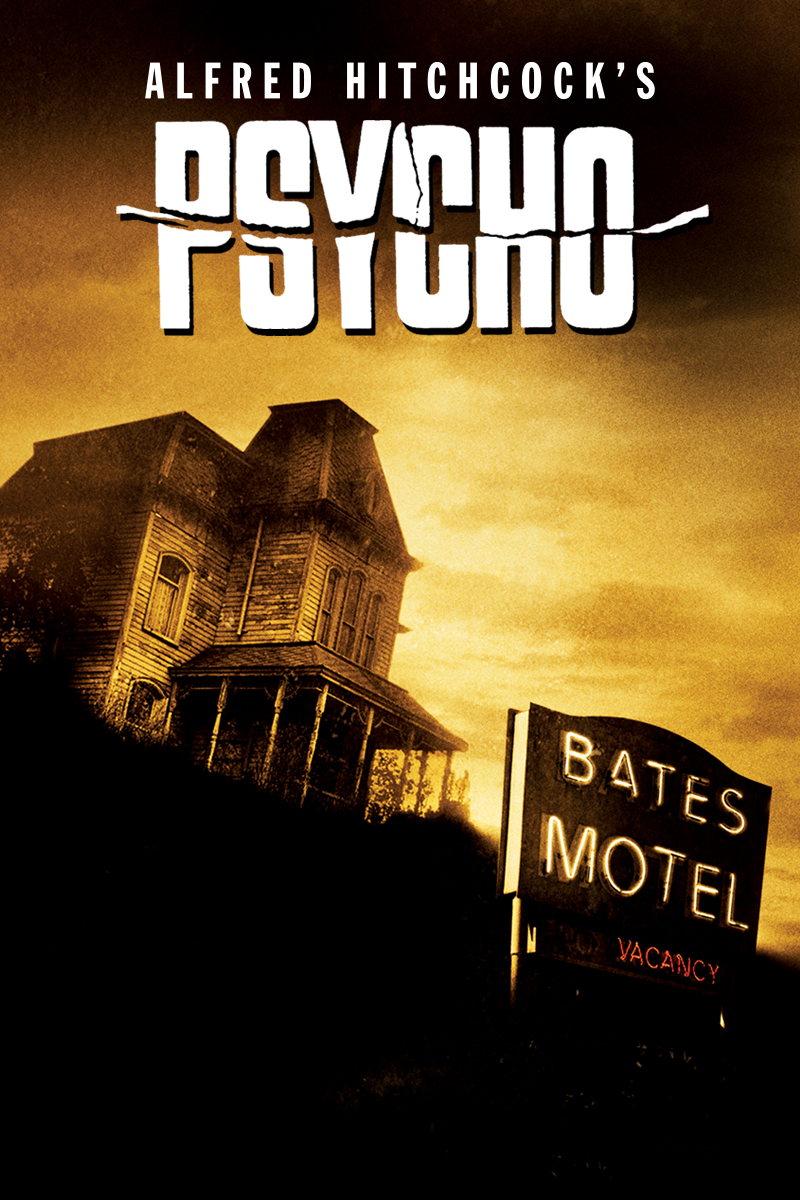
Movies that use this convention are Alfred Hitchcock's Psycho, David Fincher's Se7en, and Wes Craven's Scream. However, this is not a common strategy. 
Another way my film challenged conventions was that the boss's face is never shown. Most of the shots of the boss are low-angle of just the legs. We did this so that the audience was confused on who the boss was, her intentions, and also to make it more intense when she died. This is not a common convention but is done in some successful films such as Kingsmen:The Golden Circle.

Social Groups:
Our film is mostly aimed at ages 16-50 and of all genders. Although it doesn't represent any social issues, our demographic is very wide. "The Boss" is a suspenseful film for anyone who likes action movies and who enjoys intrigue. This covers a very wide range of people. My group chose to write this film due to its wide demographic, because it can be difficult to sell a movie that doesn't come from a large franchise like "Marvel" or "D.C."

Thursday, March 14, 2019

Distribution Plan

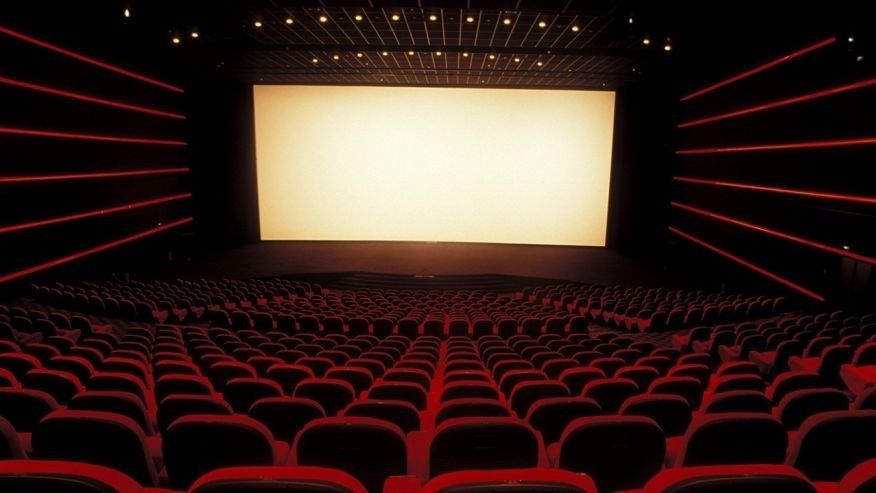
         After researching it became clear to myself and my partner that we would follow a modified form of standard release. Since our movie is a thriller/ action movie it falls under the category of blockbuster. Releasing our movie to theaters would be a smart business decision.
However, even though the genre of our film makes it likely to succeed at the theater, our target audience is primarily teenagers. Teenagers of this generation enjoy spending much time online streaming  and downloading movies.  So instead of waiting the full 16-week period my partner and I would release our film after a 10-week period.
At this point in time we would allow for online purchasing and streaming. After the 16-week period we would release the film on DVD and Blu-Ray offering special features of the film including bloopers and outtakes to entice the buyer. We chose this amount of time because there would still be enough initial buzz from our theater release to make the digital release widely anticipated.


Image result for movie theater
Image result for online purchase movies

Image result for blu ray

Wednesday, March 13, 2019

Revision 3

Again, during peer editing many people agreed that the ending was confusing and didn't seem to have to have a purpose.
Our initial idea was to imply that someone was entering the conference room, but it wasn't the boss. We were not able to execute this well, so I proposed we shoot a new scene. 
This new scene was a close up of a mysterious person and they are texting someone. 
The messages read:
"did you do it?"
"she's dead."
"are you ready for whats next?"
Then a blackout with our new suspenseful music. 
This scene leaves the audience wondering what will happen next and makes more sense than our original idea.

This is the shot we are replacing with our new scene.

Monday, March 4, 2019

Distribution Research- Captain America: The First Avenger

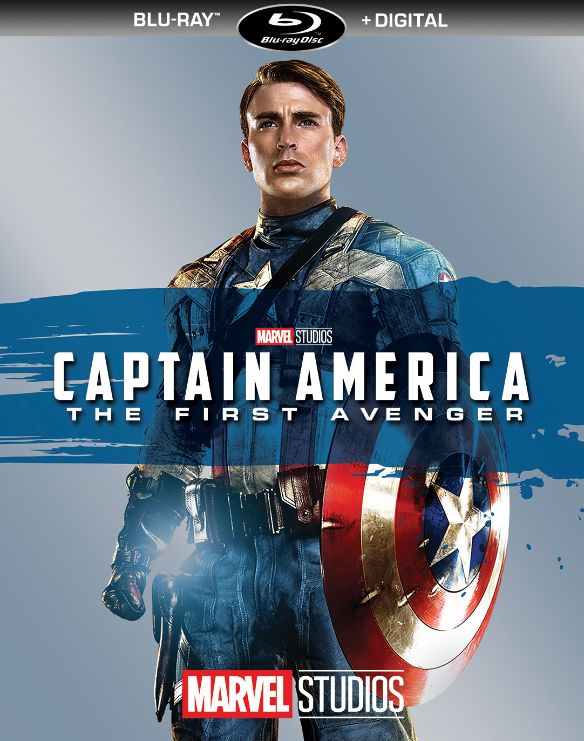
Captain America was a highly anticipated movie and had many fans lined up to watch the film in theaters.
The movie was produced by Marvel Films and distributed by Paramount Pictures. It was originally supposed to be distributed by Artisan Entertainment but a lawsuit and other issues changed this. The movie premiered on July 19th, 2011 and was released on July 22nd, 2011 in the US. Paramount Home Media Distribution released the film on October 25th, 2011. It was available on Blu-ray and DVD. These films came with bonus film and a sneak peak of the next Thor movie. 

In other countries the film was distributed as "The First Avenger" in order to appeal to larger audiences. 
Image result for captain america

Revision 2

During peer review many classmates said that some of our scenes were a little awkwardly long. We looked through the film and picked any scenes that we could edit. I then went back and cut the shots so the movie would flow better. This helps prevent any unwanted jump cuts and makes the action scenes even more suspenseful.

There were several scenes that needed to be cut shorter, including the scene where the two runners are speaking, the scene where everyone is discussing the boss and the ending scene when the boss died. 


Talking scene with runners. I fixed the awkward beginning but making this scene shorter


Conversation scene. The scene was a little too choppy so I edited it together in a way that it flowed more.


The way the camera originally fell implied there was a camera person and it wasn't omnipresent. I cut this scene so when the gunshot is heard you only see the hand on the floor.

Friday, March 1, 2019

Distribution Research

The standard distribution of film is based on the business model of release windows. Films will appear in theaters for a few weeks and then after approximately 16 weeks the film is released to VOD distributors.

Film studios create partnerships with theaters. To do this a film usually makes a motion picture marketing campaign, in order to "sell" their film to distributors. The distributor  will look at the profit projections of the movie and decide how to distribute the film. They can choose to release the films in windows, a simultaneous release where the movie is available in film and digital or a straight to video release. 

Films can choose between several major theaters to release their films to, depending on the deal they can get. This includes AMC, Regal, Cinemark and several others.

Image result for amcImage result for regalImage result for cinemark theaters

The standard distribution model is slowly shrinking as films are wanting to keep their rights. Distributors can take many of the production rights of the film and can prevent the film from being shown or distributed in certain places.


Distribution Research- Borne Legacy

The Borne Legacy films are very popular films that have a famous cast and a high budget. They were most likely not worried about their distribution of the film, because their dedicated fan base would always support them.
Universal Pictures distributed the film and it premiered in New York City on July 30th, 2012. The release date, however, was not until August 10th. It grossed over 46.6 million worldwide opening weekend. It was in theaters for roughly a month. The digital release date was December 10th.
Image result for bourne legacy

Creative Critical Reflection